Just the Two of Them: The Handshake Deal That Keeps Harada's Studio Small on Purpose
There's a moment that comes up in almost every conversation Harada Masayuki has with American fans: the moment someone asks how his operation scales. They hear "studio" and picture a floor of assistants, a manager fielding brand deals, a content calendar built by committee.
The reality is smaller. A lot smaller.
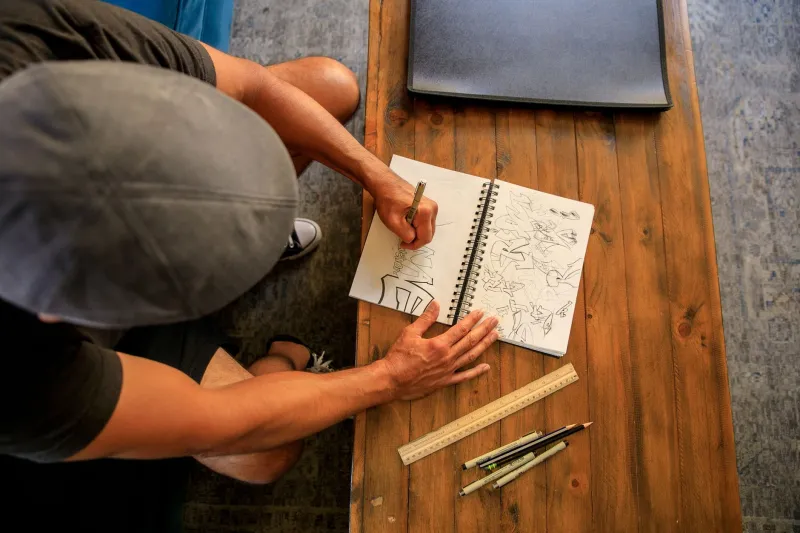
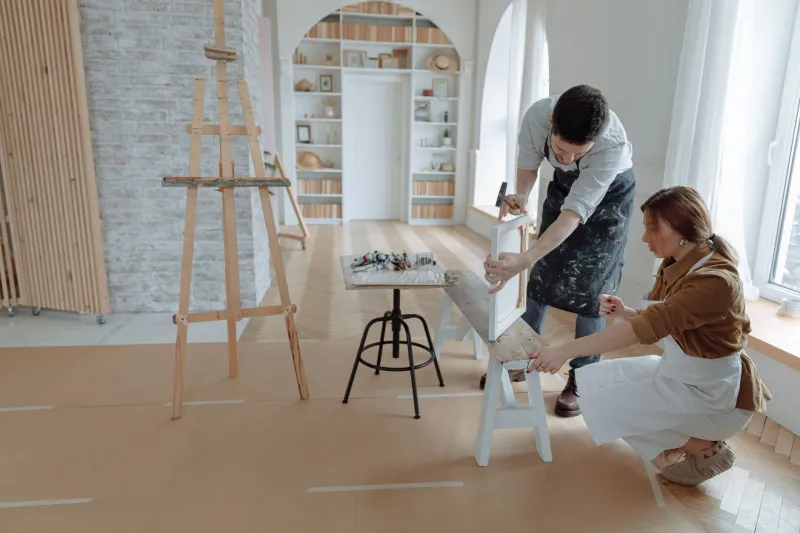
It's Harada, a drawing table, and one other person — an old friend and collaborator who has been in the room since before anyone outside their neighborhood cared about the work. Between the two of them, they handle everything: the art, the site, the shipping, the emails from fans in Ohio and Oregon. And per an agreement they made years ago, sealed with nothing more formal than a handshake and a round of drinks, that's how it stays.
The Offers He Turned Down
It wasn't always obvious the studio would stay this size. Over the years, Harada has fielded the same pitches any working creator with an audience receives. An agency wanted to handle licensing and "grow the brand." An investor floated funding that would have paid for assistants, an office, a real operation.
He said no to all of it. Not dramatically, not with a manifesto — just a polite decline and another page of work the next morning.
His reasoning, as he explains it, is less about money than about who's in the room when decisions get made. Every choice about what to make, what to publish, and what to turn down currently happens between two people who have known each other long enough to disagree without it becoming a negotiation. Add a third stakeholder — an agent, a board, a platform partner — and the work stops being the only client.
What a Two-Person Studio Actually Looks Like
Strip away the romance and the arrangement is pretty unglamorous. Harada makes the work. His collaborator handles the logistics that would otherwise eat the work alive — the site maintenance, the order fulfillment, the unglamorous half of running a creative business. They split the money evenly. They split the headaches evenly too.
There's no growth target. No quarterly review. If a project doesn't earn much but matters to them, it ships anyway. If a lucrative opportunity conflicts with the kind of work they want on the site, it doesn't get taken, and nobody has to justify that to a shareholder.
The trade-off is real, and Harada doesn't pretend otherwise. The studio doesn't scale. Big projects take longer than they would with a staff. There's no one to delegate the boring parts to. But the flip side — total control over the output, zero pressure to feed an algorithm, no debt to anyone — is exactly what makes the work feel like it belongs to him.
Why This Resonates in the States
American creators reading this are living through a particular moment. The platform economy promised independence but delivered a different kind of boss: the algorithm, the demonetization notice, the brand-safety guidelines written by someone you'll never meet. Creators with six-figure followings describe feeling like employees of their own channels.
Harada's model suggests a different path, and it's one that maps onto older American instincts — the two-person shop, the general store, the band that stayed on an indie label because the owner never asked them to change their sound. Independence isn't just about owning your distribution. It's about owning your decisions, and keeping the number of people who can override you as close to zero as possible.
There's a lesson in it that has nothing to do with being anti-growth. Harada isn't against money or opportunity; he's against trading decision-making power for either. That's a distinction worth sitting with for any creator staring at an agency contract or a term sheet.
The Handshake, Decades Later
Does a verbal agreement hold up across thirty years? In this case, yes — partly because the terms were simple. Stay small, split everything, and if either one wants out, the work keeps going. No lawyers needed to write down what both of them already meant.
When asked whether he'd advise other creators to do the same, Harada is careful. It worked because of who the other person is, he says, and because he wanted a life around the work, not just a bigger version of the work. That's not a business strategy so much as a definition of success — one that a handshake was enough to hold.
For a studio with no employees, no investors, and no plan to change any of that, it seems to be working just fine.